
I bought a Hasselblad X2D II 100C in September, and it’s already become the camera I reach for first. I’d been using a Fujifilm GFX100 II, which is a superb camera, so what made me switch? In a word, magic. It sounds daft when you’re talking about a box with a sensor in it, but there’s something about the files this camera produces that makes me want to go out and take more photographs.
It started with the colours
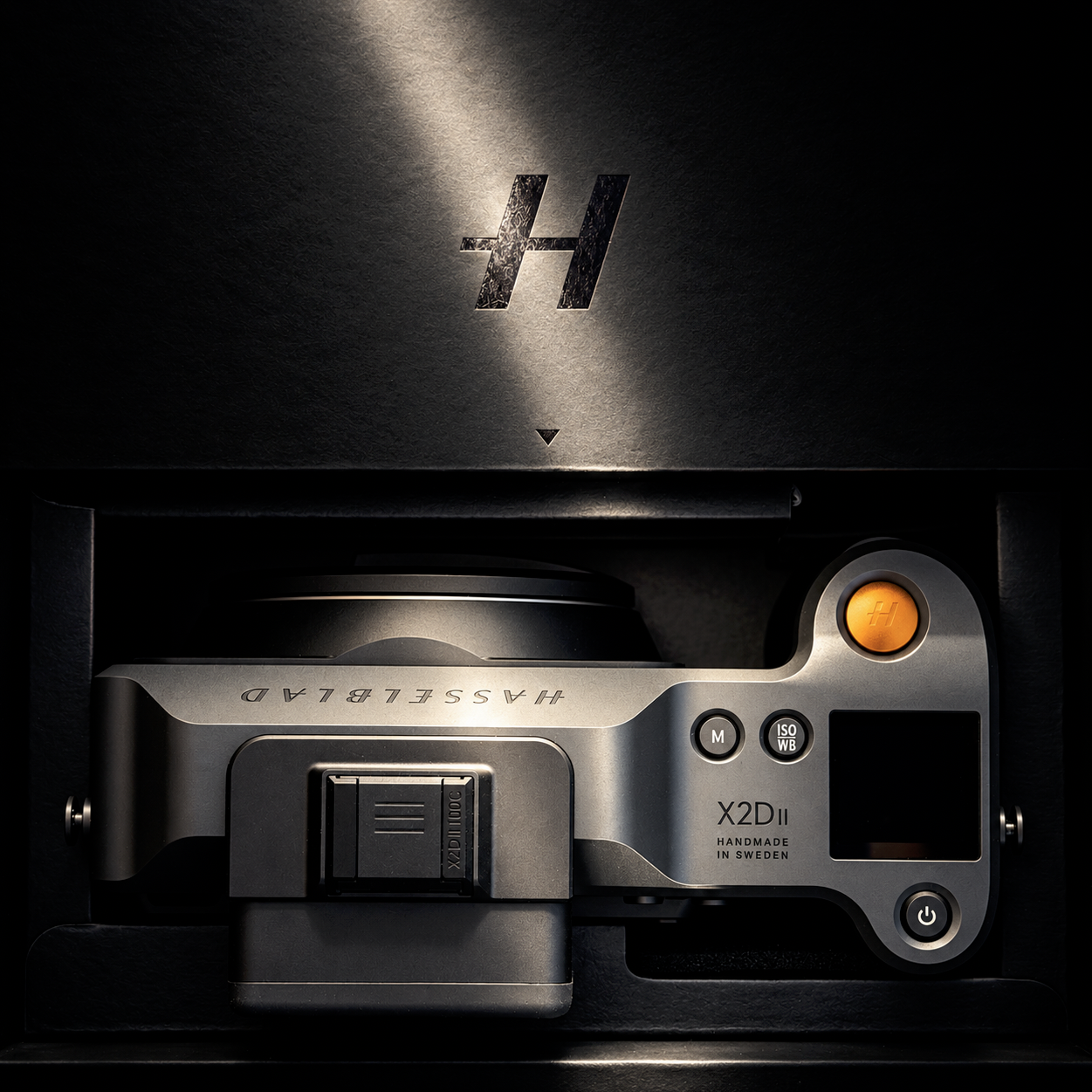
With the Fuji, I nearly always found myself warming the files up a little. It became such a routine part of editing that I hardly thought about it. With the Hasselblad, I open the files in Phocus and the colours already look natural to me. That first little adjustment I used to make? Most of the time, I leave it alone.
Both cameras use very similar 100-megapixel back-illuminated medium-format sensors. Hasselblad calls its approach The Hasselblad Natural Colour Solution (HNCS). Whatever they’ve done with the calibration and colour processing, it feels like they’ve sprinkled a little magic on it. The files look exactly how I remember the scene before I’ve even touched a slider.
A camera built for stills
The menus are one of my favourite things about it. Everything is easy to find, and there’s very little to wade through. When I’m standing behind a tripod waiting for the light to change, I want to be able to find a setting and get straight back to the photograph.
I also love that there’s no video mode. I bought this camera to take photographs. If I want to film something while travelling, I’ve got my DJI Osmo Pocket for that. Then there’s the built-in 1 TB SSD. I can head out without faffing about with cards, and if I want a second copy as I shoot, I can put in a CFexpress Type B card and set the camera to write to both.
The stabilisation is the other thing that really surprised me. I’ve shot handheld with exposures of several seconds and come away with a perfectly sharp frame. Other cameras can do this too, but in my hands the Hasselblad feels in a different league to the Fuji. It makes me more inclined to try a photograph on the spot, especially when I’m travelling and the tripod is still in the bag.
Two zooms and a proper shutter release
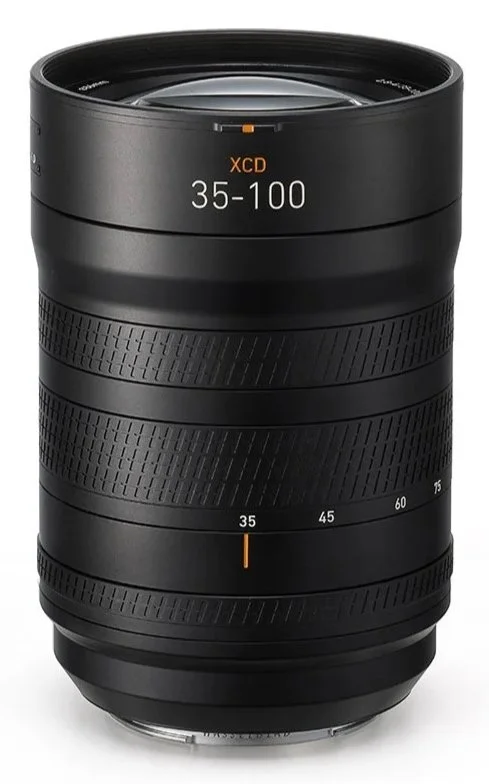
I went for the XCD 20–35mm E and the XCD 35–100mm E. I’ve never been much of a prime-lens fanboy. Between these two E-series zooms, I’ve got the range I want for most of what I shoot, from the inside of a building to a tighter composition in the landscape. I like being able to fine-tune the framing without swapping lenses.
I also bought the Hasselblad Release Cord X. The original X2D 100C didn’t support this cable, and the X2D II has a dedicated socket for it. I’ve seen plenty of photographers use the self-timer on a tripod, and it does the job. I’d much rather have a button in my hand and decide exactly when to take the photograph. If I’m waiting for a wave to break or for someone to walk into the right part of the frame, a two-second countdown feels surprisingly long.
The Falcam cage
The final thing I bought was the Falcam cage, which fits the body beautifully. It does three jobs I actually care about.
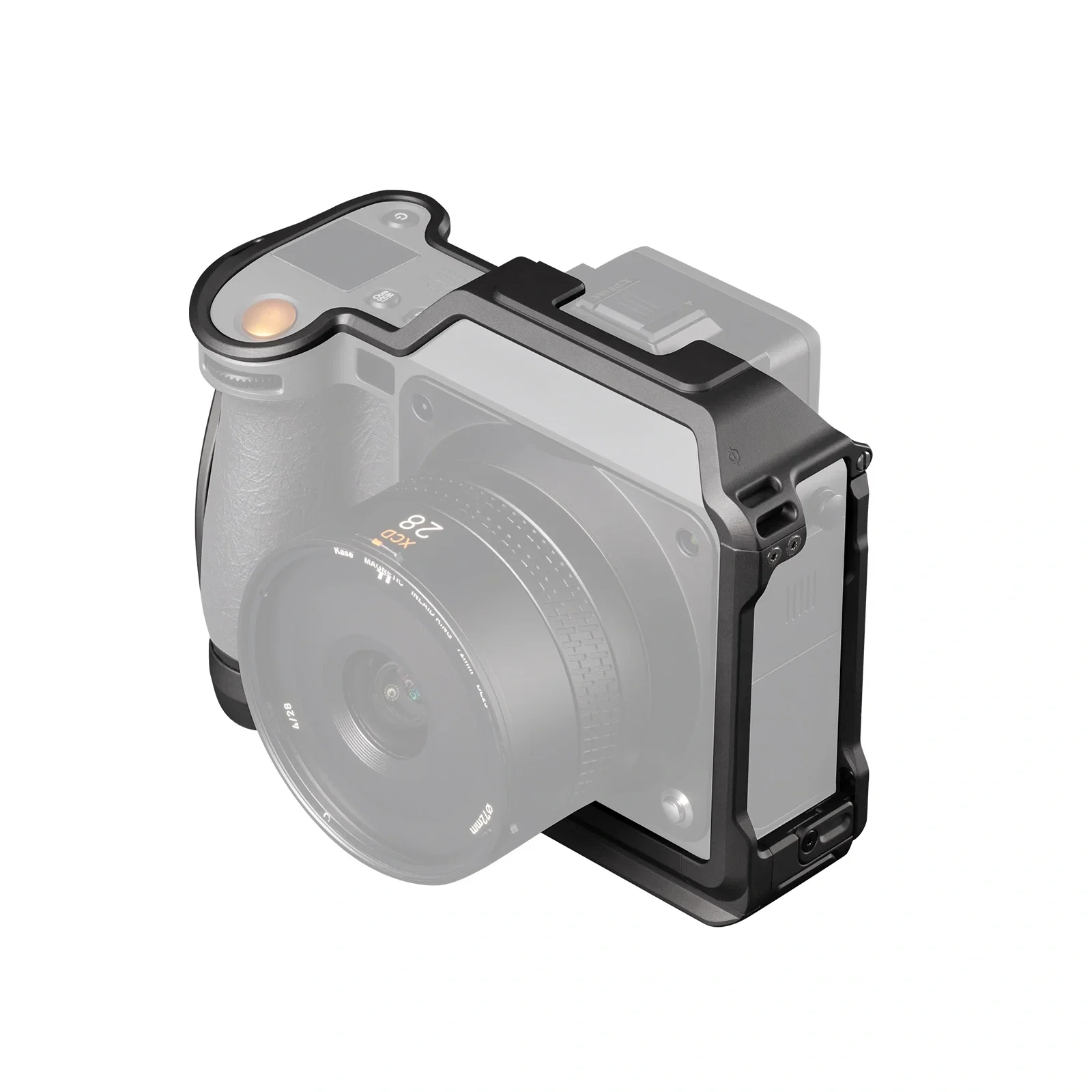
It works as a tripod bracket in both orientations. I can go from landscape to portrait without tipping the tripod head over. There’s even a little extension piece that gives the cables room to plug in when the camera is mounted vertically.
It protects the body. The metal cage wraps around the camera at the top and bottom, with little rubber strips where it touches the body. I plan to keep this camera for years, and I like having that extra layer between it and whatever I might knock it against.
It hides an AirTag. There’s a slot built into the bottom of the cage. From the outside, you’d never know it was there. If the camera ever goes missing or, heaven forbid, gets stolen, there’s a chance I’ll be able to see where it’s gone.
Am I keeping the Fuji?
Yes. If I’m shooting something fast and need a telephoto, or if a composition calls for my tilt-shift lens, I’ll still take the GFX100 II. I know that system well, and I’m glad I’ve still got it.
For architecture, travel and landscapes, though, the Hasselblad is now my go-to. I feel very lucky to own one. The bit I still look forward to most is getting home, opening the files and seeing those colours come up on screen. That’s where the magic is for me.